
The AI reading companion for people who take books seriously
AI insights, chapter breakdowns, community discussions — all in one place.
Arethusa
About this book
More by F. Marion (Francis Marion) Crawford
Browse all books by this authorExplore Byzantine Empire Books
Discover more Byzantine Empire literature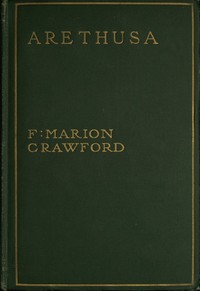
Click "Read now" to open in our Reader with AI features.
Community Discussions
Join the conversation about this book
Discussions
0 discussions
No discussions yet
Be the first to start a discussion about this book!
Sign up to start the discussionAI-Powered Insights
A clearer way to understand Arethusa through themes, characters, and key ideas
This reading guide highlights what stands out in Arethusa through 4 core themes, 4 character profiles, and 6 chapter-level ideas. It is meant to help readers decide whether the book fits their taste and deepen the reading once they begin.
About this book
A quick AI guide to “Arethusa”
Get the shape of the book before you commit: what it is about, what mood it carries, and what ideas readers tend to stay with afterward.
What the book is doing
F. Marion Crawford's "Arethusa" transports readers to the tumultuous 14th-century Constantinople, where Venetian merchant Carlo Zeno grapples with his past and the city's intricate social fabric. The novel intricately weaves themes of identity, survival, and social class through Zeno's journey, which is profoundly shaped by a request to purchase a slave girl. This request intertwines his fate with that of Zoë, a young woman struggling against abject poverty, forcing Zeno to confront moral dilemmas surrounding human dignity and freedom. Crawford masterfully uses the vibrant yet volatile backdrop of the Byzantine Empire to explore universal human experiences of privilege, despair, and the search for one's true self amidst societal chaos.
Key Themes
Slavery and Freedom
The novel directly confronts the institution of slavery in 14th-century Constantinople, exploring its economic underpinnings, ethical implications, and devastating human cost. It examines not only literal bondage but also the various forms of economic and social unfreedom experienced by the poor.
Identity and Self-Discovery
Both Carlo Zeno and Zoë undergo significant journeys of self-discovery. Zeno grapples with his 'colorful past' and seeks to define himself beyond it, while Zoë struggles to maintain her dignity and sense of self amidst extreme hardship and the threat of dehumanization.
“"In Constantinople, a man could shed his past like an old cloak, but the shadows of it often clung to his very soul."”
How does Carlo Zeno's 'colorful past' influence his actions and moral choices throughout the novel?
See chapter-by-chapter takeaways, deeper character arcs, and a fuller literary analysis built around this book.
Unlock full AI analysis for “Arethusa”
Chapter breakdowns, character deep-dives, and thematic analysis — all in one place.
Reader Reviews
See what others are saying
Reviews
Overall Rating
Based on community ratings
No reviews yet
Be the first to review this book!
Readers Also Enjoyed
Discover more books similar to Arethusa