
The AI reading companion for people who take books seriously
AI insights, chapter breakdowns, community discussions — all in one place.
Child Life in Colonial Days
About this book
More by Alice Morse Earle
Browse all books by this authorExplore Children Books
Discover more Children literature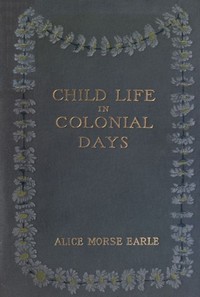
Click "Read now" to open in our Reader with AI features.
Community Discussions
Join the conversation about this book
Discussions
0 discussions
No discussions yet
Be the first to start a discussion about this book!
Sign up to start the discussionAI-Powered Insights
A clearer way to understand Child Life in Colonial Days through themes, characters, and key ideas
This reading guide highlights what stands out in Child Life in Colonial Days through 4 core themes, 1 character profile. It is meant to help readers decide whether the book fits their taste and deepen the reading once they begin.
About this book
A quick AI guide to “Child Life in Colonial Days”
Get the shape of the book before you commit: what it is about, what mood it carries, and what ideas readers tend to stay with afterward.
What the book is doing
Alice Morse Earle's "Child Life in Colonial Days" offers a meticulously researched historical account of children's experiences in early America. Published in the late 19th century, the book endeavors to illuminate the often-overlooked lives of colonial youth, detailing their upbringing, education, daily routines, and forms of play. Earle vividly portrays the challenging conditions of the era, from high infant mortality rates and the struggles of early settlers to the strictures of Puritanical New England. Through a rich tapestry of primary sources, personal anecdotes, and illustrations, the work provides a humanizing perspective on childhood amidst the hardships and unique societal structures of the colonial period, setting a foundation for understanding the development of American identity.
Key Themes
Survival and Resilience
This theme explores the challenging physical and environmental conditions faced by children in colonial America, including high infant mortality rates, disease, famine, and the general hardships of frontier life. It highlights the remarkable resilience of children and families in adapting to these circumstances, emphasizing their early exposure to labor and responsibility.
The Pervasive Influence of Religion
This theme examines how religious doctrines, particularly Puritanism in New England, profoundly shaped every aspect of a colonial child's life, from moral instruction and education to daily conduct and discipline. Children were taught early about sin, salvation, and the importance of obedience to God and elders.
“The children of the Pilgrims knew little of childhood as we define it today; their lives were a blend of work, prayer, and the constant struggle for survival.”
How does the concept of 'childhood' in colonial America, as depicted by Earle, differ from modern understandings of childhood?
See chapter-by-chapter takeaways, deeper character arcs, and a fuller literary analysis built around this book.
Unlock full AI analysis for “Child Life in Colonial Days”
Chapter breakdowns, character deep-dives, and thematic analysis — all in one place.
Reader Reviews
See what others are saying
Reviews
Overall Rating
Based on community ratings
No reviews yet
Be the first to review this book!
Readers Also Enjoyed
Discover more books similar to Child Life in Colonial Days