
The AI reading companion for people who take books seriously
AI insights, chapter breakdowns, community discussions — all in one place.
Max and Maurice: A Juvenile History in Seven Tricks
About this book
More by Wilhelm Busch
Browse all books by this authorExplore Practical jokes Books
Discover more Practical jokes literature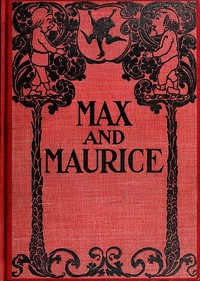
Click "Read now" to open in our Reader with AI features.
Community Discussions
Join the conversation about this book
Discussions
0 discussions
No discussions yet
Be the first to start a discussion about this book!
Sign up to start the discussionAI-Powered Insights
A clearer way to understand Max and Maurice: A Juvenile History in Seven Tricks through themes, characters, and key ideas
This reading guide highlights what stands out in Max and Maurice: A Juvenile History in Seven Tricks through 5 core themes, 3 character profiles. It is meant to help readers decide whether the book fits their taste and deepen the reading once they begin.
About this book
A quick AI guide to “Max and Maurice: A Juvenile History in Seven Tricks”
Get the shape of the book before you commit: what it is about, what mood it carries, and what ideas readers tend to stay with afterward.
What the book is doing
Wilhelm Busch's "Max and Maurice: A Juvenile History in Seven Tricks" is a foundational work of illustrated verse, chronicling the escalating misadventures of two incorrigibly mischievous boys in a quaint German village. Through seven distinct pranks, Max and Maurice torment various townsfolk, from a widow and a tailor to a baker, their escapades blending slapstick humor with a darker undercurrent of escalating malice. The book masterfully combines rhymed couplets with vivid, sequential illustrations, pioneering a form that prefigures modern comic strips and graphic novels. Ultimately, their unchecked mischief leads to a grim but humorously presented comeuppance, delivering a stark cautionary tale about the consequences of unruly behavior and the demands of social order.
Key Themes
Consequences of Mischief / Unruly Behavior
This is the central theme, explored through the escalating nature of Max and Maurice's pranks and the increasingly severe repercussions. Each trick leads to more significant damage or distress, ultimately culminating in their own gruesome end, serving as a stark warning about the dangers of unchecked misbehavior.
Retributive Justice / Poetic Justice
The story strongly emphasizes the idea that punishment should fit the crime, often in a literal and darkly humorous way. The boys' end—being ground into meal—is a direct, albeit exaggerated, consequence of their destructive actions, particularly their interference with Farmer Mecke's grain and the miller's work. The narrative ensures that the 'bad' characters receive a definitive, ultimate punishment.
“Ach, was muss ich oft von Neid / Hören über Max und Moritz!”
To what extent is the humor in 'Max and Maurice' a defense mechanism against its darker themes, and how does it affect the overall message?
See chapter-by-chapter takeaways, deeper character arcs, and a fuller literary analysis built around this book.
Unlock full AI analysis for “Max and Maurice: A Juvenile History in Seven Tricks”
Chapter breakdowns, character deep-dives, and thematic analysis — all in one place.
Reader Reviews
See what others are saying
Reviews
Overall Rating
Based on community ratings
No reviews yet
Be the first to review this book!
Readers Also Enjoyed
Discover more books similar to Max and Maurice: A Juvenile History in Seven Tricks