
The AI reading companion for people who take books seriously
AI insights, chapter breakdowns, community discussions — all in one place.
The Mysterious Affair at Styles
About this book
More by Agatha Christie
Browse all books by this authorExplore Detective and mystery stories Books
Discover more Detective and mystery stories literature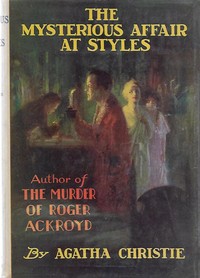
Click "Read now" to open in our Reader with AI features.
Community Discussions
Join the conversation about this book
Discussions
0 discussions
No discussions yet
Be the first to start a discussion about this book!
Sign up to start the discussionAI-Powered Insights
A clearer way to understand The Mysterious Affair at Styles through themes, characters, and key ideas
This reading guide highlights what stands out in The Mysterious Affair at Styles through 4 core themes, 7 character profiles. It is meant to help readers decide whether the book fits their taste and deepen the reading once they begin.
About this book
A quick AI guide to “The Mysterious Affair at Styles”
Get the shape of the book before you commit: what it is about, what mood it carries, and what ideas readers tend to stay with afterward.
What the book is doing
Agatha Christie's debut novel, "The Mysterious Affair at Styles," introduces the eccentric Belgian detective Hercule Poirot as he investigates the poisoning of a wealthy matriarch, Emily Inglethorp, at her country estate during World War I. Narrated by Captain Arthur Hastings, a convalescing soldier and old friend of Poirot, the story plunges into a complex web of family tensions, greed, and suspicion surrounding Mrs. Inglethorp's recent marriage to a much younger man, Alfred. As Poirot meticulously examines every detail and interviews the various residents of Styles Court, including Mrs. Inglethorp's stepchildren and their spouses, he uncovers a meticulously planned murder scheme hidden beneath a facade of domestic discord. The novel masterfully employs red herrings and intricate clues, challenging both Hastings and the reader to discern the truth from the numerous false leads. Ultimately, Poirot's 'little grey cells' expose the cunning killer and the ingenious method used to commit the seemingly impossible crime.
Key Themes
The Power of Observation and Deduction
This is the cornerstone of Hercule Poirot's methodology. The novel champions the idea that truth is found not through brute force or obvious clues, but through meticulous observation of the smallest details and rigorous logical deduction, often against prevailing assumptions.
Deception and Appearance vs. Reality
This theme is central to the entire mystery, as every character presents a façade or harbors secrets. Poirot's genius lies in seeing beyond these appearances to the underlying truth. The killer's entire plan relies on manipulating perceptions and creating false impressions.
“"The man who is a fool, and knows it, is not a fool at all."”
How does Captain Hastings' narration influence the reader's perception of the events and suspects? Is he a reliable narrator?
See chapter-by-chapter takeaways, deeper character arcs, and a fuller literary analysis built around this book.
Unlock full AI analysis for “The Mysterious Affair at Styles”
Chapter breakdowns, character deep-dives, and thematic analysis — all in one place.
Reader Reviews
See what others are saying
Reviews
Overall Rating
Based on community ratings
No reviews yet
Be the first to review this book!
Readers Also Enjoyed
Discover more books similar to The Mysterious Affair at Styles